
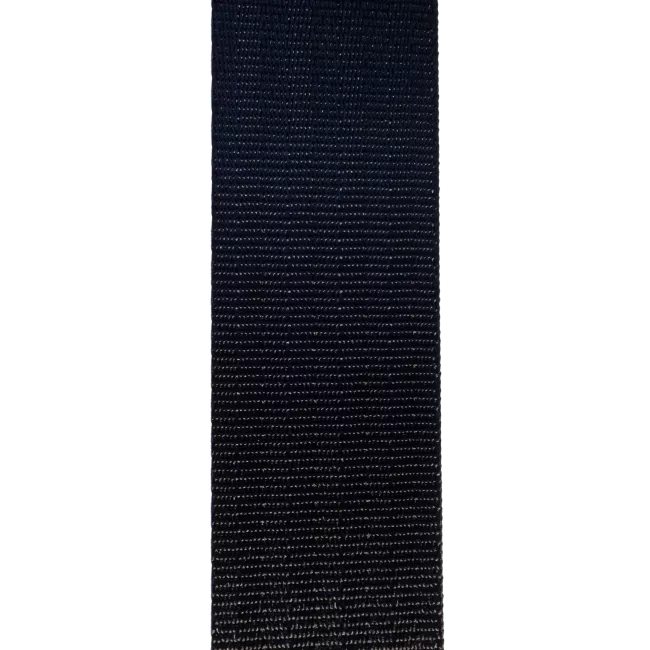

Airbus ASNA 3573 flat polyester webbings, 20 to 25 mm, ultimate loads 700 to 1200 daN. Available in black and grey. FAR 25.853 approved. Supplied on 100 m rolls.
Data sheet
The ASNA flat polyester webbing range is manufactured in conformity with Airbus ASNA 3573 standards and is approved for use in aircraft applications under FAR 25 appendix F. It is used for restraint and lashing assemblies in aeronautical environments where traceability to an Airbus specification is required.
Three references cover the range, each tied to a specific ASNA standard: ASNA 3573-5919 (20 mm, 700 daN, black), ASNA 3573-5925 (25 mm, 1200 daN, grey) and ASNA 3573-5926 (25 mm, 1200 daN, black). Thickness runs from 1 to 1.2 mm and weight from 16 to 25 g/m.
These references are used for cabin and cargo securing assemblies.
Each reference is supplied on 100 m rolls.
16 other products in the same category:
The hook with keeper is a two-part strap end fitting used for a secured attachment to an anchor ring or bar. Both the male part (a double J hook with keeper wire on a delta ring) and the female...
The threaded studs with nut connect equipment, seats and accessory rails to the seat track or to an air cargo pallet attachment, with a standard hex nut that is torqued with a wrench. They are the...
This tubular polyester webbing is used for corner ropes and lashing assemblies in air transport. The tubular construction spreads the load around the full circumference of the strap, which limits...
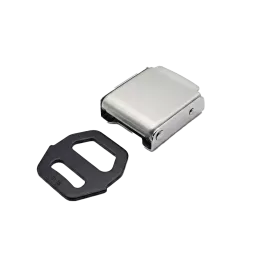
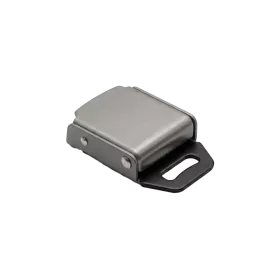
This aircraft seatbelt buckle is used in cabin seat belt and occupant restraint assemblies. It supplies the quick-release connection between the two webbing ends, with male and female parts forming...
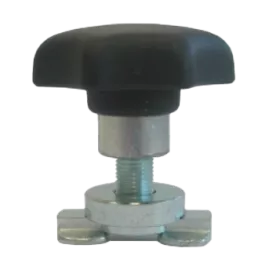
The threaded studs with ergonomic plastic handle connect equipment, seats and accessory rails to the seat track or to an air cargo pallet attachment, with the ergonomic handle allowing tool-free...
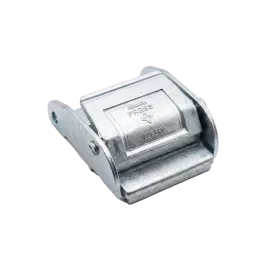
Cam buckles are simple manual tensioning devices for restraint straps. The cam locks the webbing as soon as the lever is released, giving reliable load securing without the bulk or effort of a...
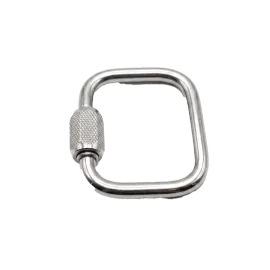
Quick links are reusable connectors with a screw-gate closure: a threaded sleeve runs along the gate to lock the link closed once a strap or ring is engaged. They replace permanent shackles where a...
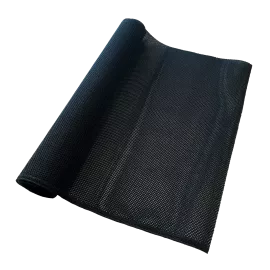
Raschel netting is a knitted mesh fabric supplied by the metre and used to build cabin partitions, baggage retention curtains and custom net assemblies that need a textile mesh rather than a...
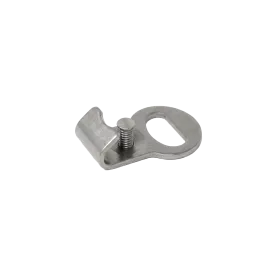
Flat hooks are end fittings for restraint strap assemblies, connecting the webbing to cabin anchor rings, footman loops and floor fittings. The open-throat shape gives fast hook-on and hook-off in...
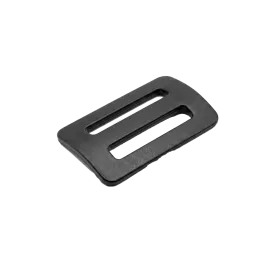
The bi-pass buckle is a flat two-slot steel plate for 50 mm webbing. The webbing passes through one slot and back through the second, where it locks by friction. Depending on how it is threaded,...
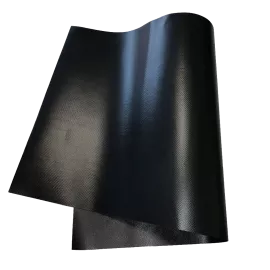
This PVC tarpaulin is the fire-resistant grade specified for use in aircraft cabins and air cargo holds, where any covering material must meet flammability requirements. It is used for load...
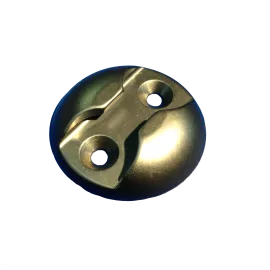
This aluminium anchor plate provides a fixed attachment point for single stud fittings in cargo restraint assemblies. It is used to anchor straps and nets to the aircraft structure or to load...
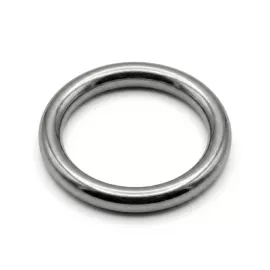
Round rings are closed anchor parts used as connection points in restraint, tie-down and lifting assemblies. The closed shape lets straps, slings and connectors run all the way around the ring,...
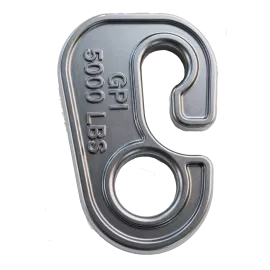
The cargo hook is mounted on the cargo net itself and engages directly in the net mesh to set the working height of the net and adjust its tension over the load. Repositioning the hook from one...
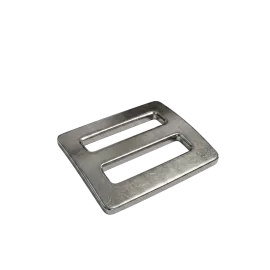
Adjusting plates are flat steel parts with internal slots that let the webbing fold back on itself and lock by friction, setting the strap length without a buckle. They are used where the assembly...
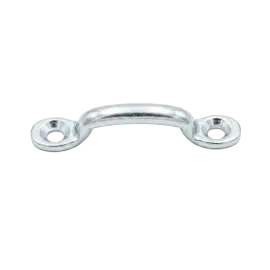
Footman loops are U-shaped bolt-down anchor points fixed to the cabin floor, cargo platform or equipment panel, giving a hook-on point for a restraint or lashing strap. They are the most common...
Viewed products
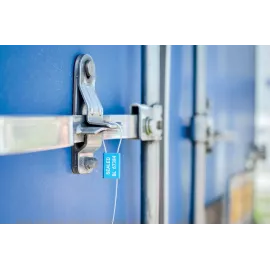
Security seals are numbered single-use steel cables used to seal cabin survival kits, emergency equipment, escape slide compartments, cargo container and inventory items in commercial and military...
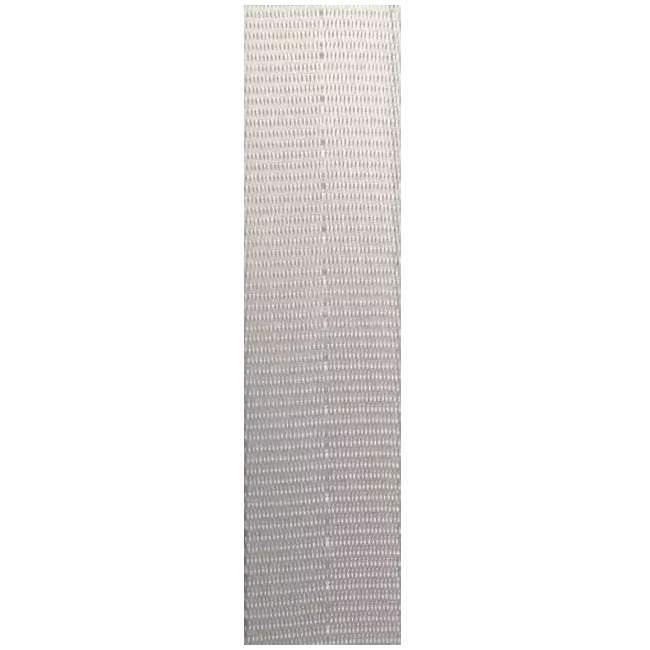
Airbus ASNA 3573 flat polyester webbings, 20 to 25 mm, ultimate loads 700 to 1200 daN. Available in black and grey. FAR 25.853 approved. Supplied on 100 m rolls.