
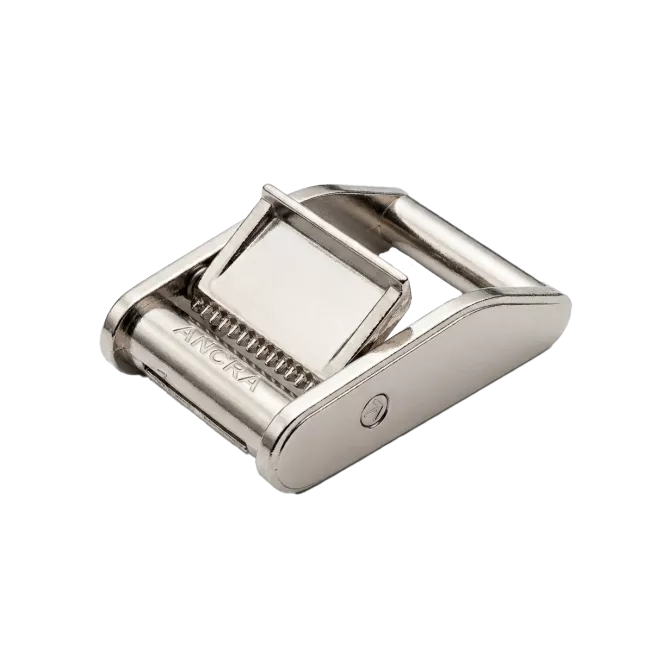
Cam buckles for 25, 35 and 50 mm webbing, ultimate loads from 250 to 1 100 daN. Steel construction. Quick manual tensioning for light to medium lashing.
Data sheet
Cam buckles are simple manual tensioning devices for restraint straps. The cam locks the webbing as soon as the lever is released, giving reliable load securing without the bulk or effort of a ratchet, which suits light to medium lashing in cabin and cargo work.
The range covers three webbing widths and four load ratings: 25 mm at 250 or 700 daN, 35 mm at 700 daN, and 50 mm at 1 100 daN. Construction is steel or zinc-plated steel for corrosion resistance, with unit weights from 60 to 252 g.
Stocked as spare parts, compatible with the corresponding GPI Forankra webbing widths.
16 other products in the same category:
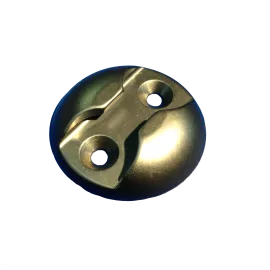
This aluminium anchor plate provides a fixed attachment point for single stud fittings in cargo restraint assemblies. It is used to anchor straps and nets to the aircraft structure or to load...
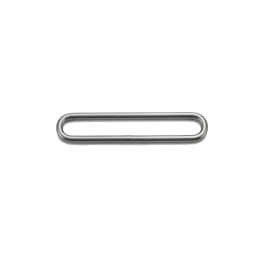
Rectangular rings are designed to connect two different webbing for an assembly. The range covers four rectangular sizes from 16 to 23 mm with ultimate loads from 100 to 300 daN, and one small...
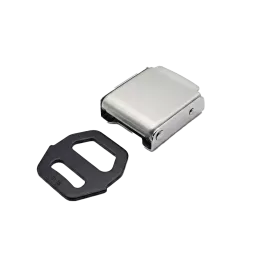
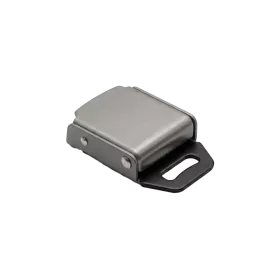
This aircraft seatbelt buckle is used in cabin seat belt and occupant restraint assemblies. It supplies the quick-release connection between the two webbing ends, with male and female parts forming...
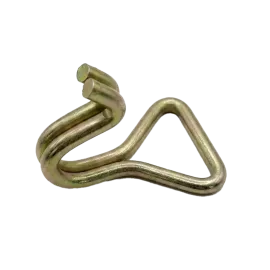
The hook with keeper is a two-part strap end fitting used for a secured attachment to an anchor ring or bar. Both the male part (a double J hook with keeper wire on a delta ring) and the female...
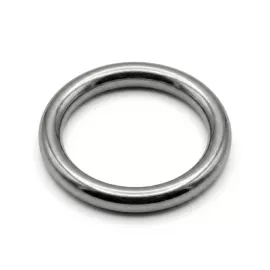
Round rings are closed anchor parts used as connection points in restraint, tie-down and lifting assemblies. The closed shape lets straps, slings and connectors run all the way around the ring,...
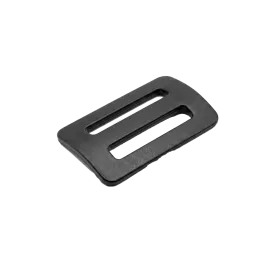
The bi-pass buckle is a flat two-slot steel plate for 50 mm webbing. The webbing passes through one slot and back through the second, where it locks by friction. Depending on how it is threaded,...
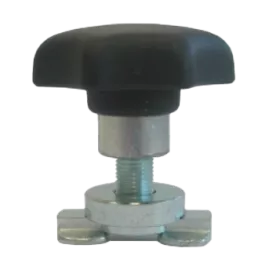
The threaded studs with ergonomic plastic handle connect equipment, seats and accessory rails to the seat track or to an air cargo pallet attachment, with the ergonomic handle allowing tool-free...
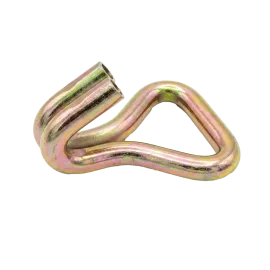
Double J hooks are end fittings formed of two J-shaped wire fingers joined to a triangular webbing loop. The two fingers hook onto bars, floor fittings and anchor points, giving a stable engagement...
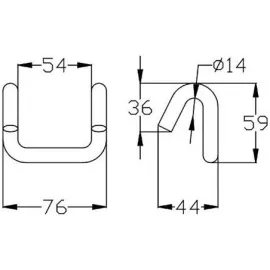
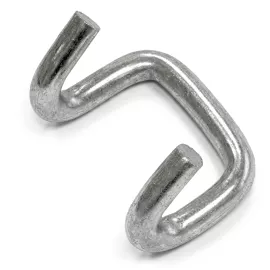
The hook with spaced fingers is a heavy-duty end fitting whose two parallel fingers are set apart in a U-shape, engaging spaced bars, grids and double anchor points that a single-finger hook cannot...
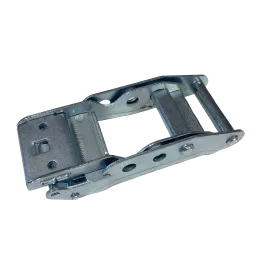
Over-center buckles are manual tensioning devices that lock the strap with a single lever movement. Compared with a ratchet, the over-center action gives fast, repeatable tension setting without...
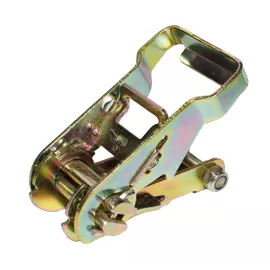
Ratchet buckles are manual tensioning devices for restraint and lashing straps. The ratchet mechanism applies and holds high tension in controlled increments, which makes it the standard choice for...
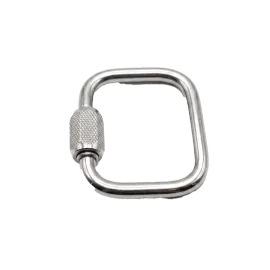
Quick links are reusable connectors with a screw-gate closure: a threaded sleeve runs along the gate to lock the link closed once a strap or ring is engaged. They replace permanent shackles where a...
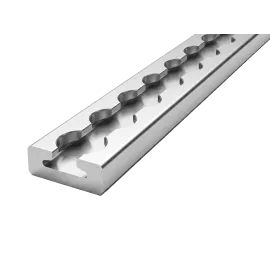
The seat track range provides aluminium anchoring rails for aircraft seats, cargo restraint systems and cabin equipment. Seat tracks accept stud and stud-fitting hardware along a standardized...
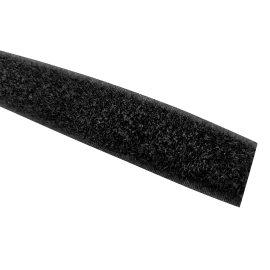
This hook-and-loop fastener system is the aerospace counterpart of standard Velcro tape, used in cabin assemblies where a removable fixture is required and where a fire-retardant textile is...
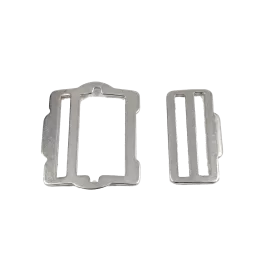
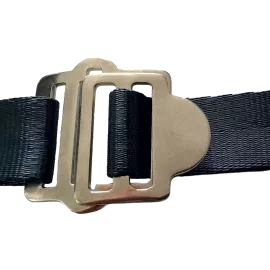
Belt buckles supply a quick connection for light belt and restraint assemblies, with male and female parts forming the complete buckle. They are used for equipment belts, light cabin restraints and...
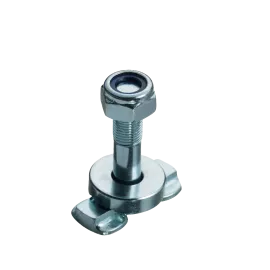
The threaded studs with nut connect equipment, seats and accessory rails to the seat track or to an air cargo pallet attachment, with a standard hex nut that is torqued with a wrench. They are the...
Viewed products
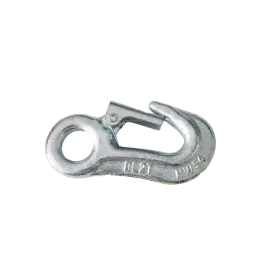
This hook combines a fixed eye for permanent attachment with a hooking end fitted with a safety latch. The eye is sewn or pinned to the net edge, and the latched hook engages cabin anchor rings,...
The hook with keeper is a two-part strap end fitting used for a secured attachment to an anchor ring or bar. Both the male part (a double J hook with keeper wire on a delta ring) and the female...
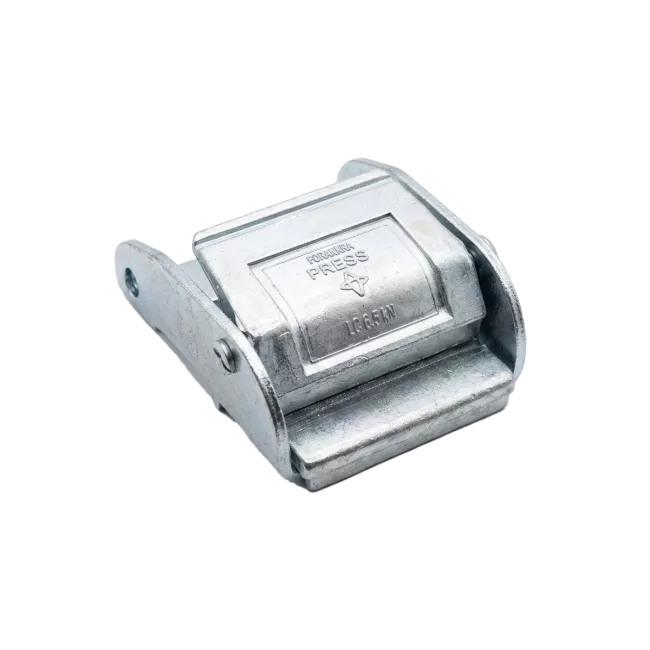
Cam buckles for 25, 35 and 50 mm webbing, ultimate loads from 250 to 1 100 daN. Steel construction. Quick manual tensioning for light to medium lashing.